

GLP-1 patient follow-up between monthly visits
Monthly GLP-1 visits leave a blind spot. Short injection-week check-ins, refill timing, and quiet-patient flags help the clinic learn sooner without another patient app.

· 3 min read · Updated

A lot can happen in a month.
A patient starts a GLP-1.
The first week goes fine.
Then nausea gets worse.
They miss a dose.
The next refill gets delayed.
They start wondering if the cost is worth it.
And the clinic may not hear any of that until the next appointment.
That is the problem with monthly GLP-1 follow-up.
The visit itself is not usually the blind spot.
The weeks between visits are.
The first few months are where follow-up matters most
GLP-1 treatment often changes quickly early on.
Dose adjustments happen.
Side effects show up.
Patients are figuring out what they can tolerate.
Insurance and refill issues can appear out of nowhere.
That is a lot to leave untouched for four weeks at a time.
A short check-in can tell you a lot
You do not need to recreate the visit over text.
Just ask a useful question.
“How are you feeling this week after your injection?”
or:
“Any nausea, constipation, appetite changes, or anything else you want us to know about?”
That gives the patient an easy way to say:
“I’m doing fine.”
“I feel sick for two days after every dose.”
“I’m thinking about stopping.”
“I couldn’t get the next fill.”
That is much better information to have in week two than in week five.
The text should surface the issue, not solve it
This distinction matters.
If a patient mentions nausea, a refill problem, or something else that needs clinical judgment, the automated text does not need to decide what happens next.
It just needs to get the reply in front of the right person.
A coordinator can route it.
A nurse can call.
A clinician can make the decision.
Silence is useful information too
Not every patient is going to answer every check-in.
That is normal.
But if someone who was responding suddenly disappears for a few weeks, that may be worth noticing before the next appointment.
Maybe they stopped treatment.
Maybe they lost coverage.
Maybe they are dealing with side effects.
Maybe they are just busy.
The clinic does not need to assume the worst.
It just helps to know that the conversation went quiet.
Refills should not become a surprise
GLP-1 refill timing can be just as important as symptom follow-up.
If the clinic waits until the patient is out, the next dose can become a scramble.
A better approach is to check before the expected fill date.
“Looks like you may be getting close to your next refill. Need help getting it started?”
If they do, staff can handle the rest.
If they already picked it up, great.
The timing should follow the clinic’s actual fill cycle.
Do not turn follow-up into nagging
There is a difference between support and pressure.
Some patients will stop because of cost.
Some will stop because of side effects.
Some will lose coverage.
Some will make a completely reasonable decision with their clinician that treatment is no longer the right fit.
Texting should not become a system for pushing someone to stay on therapy no matter what.
The point is to find out what is happening sooner.
Not to shame someone into continuing.
The clinic does not need another patient app
For simple follow-up, the patient should not have to download something new.
They already know how to text.
A short message from the clinic is enough.
They answer.
Staff see the reply.
If something needs more attention, the clinic takes it from there.
That is a much lighter workflow than asking every patient to keep up with another app between visits.
The goal is fewer surprises at the next appointment
You want to know before titration day that:
The patient is struggling with nausea.
They could not get the refill.
Cost is becoming a problem.
They stopped replying.
They are thinking about stopping.
That is the value of between-visit GLP-1 follow-up.
Not more messaging for the sake of it.
Just fewer important things staying hidden for a month.
Common questions
- Why does GLP-1 follow-up matter between monthly visits?
- A lot can happen in a month: nausea, missed doses, delayed refills, cost questions. The visit itself is not usually the blind spot. The weeks between visits are.
- What should a GLP-1 check-in text ask?
- A useful question the patient can answer naturally, such as how they are feeling after the injection or whether they have nausea, constipation, appetite changes, or anything else to share. Surface the issue. Do not diagnose over text.
- What if a GLP-1 patient stops answering?
- Not every missed reply is an emergency. But if someone who was responding suddenly goes quiet for a few weeks, noticing that before the next appointment can help. Do not assume the worst. Do notice the silence.
- Should texting push patients to stay on GLP-1 no matter what?
- No. Some patients stop for cost, side effects, coverage, or a clinical decision. The point is to find out what is happening sooner, not to shame someone into continuing.
We cite public sources in the text where it matters. For operations and finance context only, not clinical, legal, or investment advice.
Keep reading

Weight-loss
GLP-1 check-in and refill text templates for clinics
Copy-ready GLP-1 texts: welcome, injection-week check-in, running-low refill, and a quiet-patient follow-up. Clinic-approved. Staff handle anything clinical.
· 4 min read
ekco
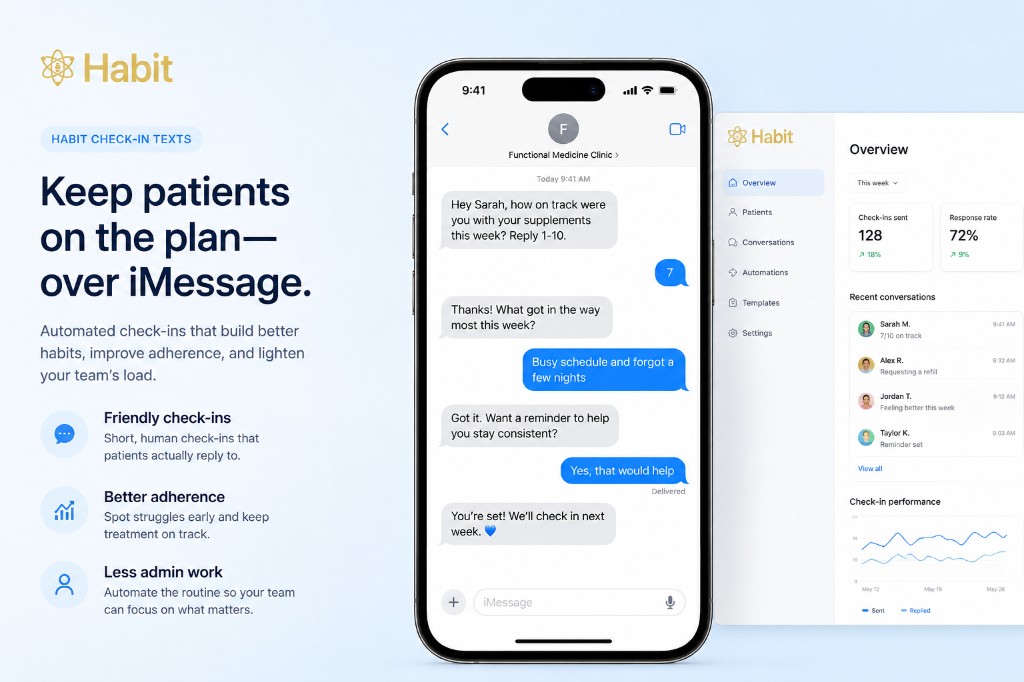
ekco check-in texts: keep patients on the plan between visits
Clinic-approved welcome, weekly check-in, and running-low texts on a schedule. Patients reply in the same thread. Staff step in when someone needs a person.
· 4 min read
Patient texting
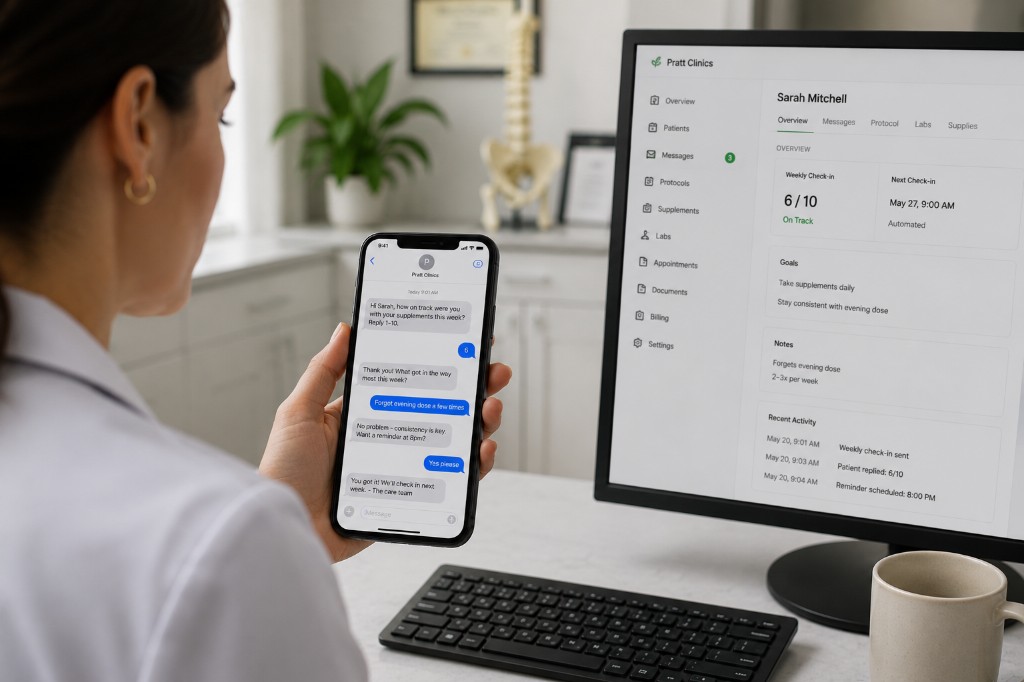
Automated patient follow-up without patient-facing AI
Automate welcome texts, weekly check-ins, and running-low reminders with clinic-approved copy. No chatbot. Staff step in when a reply needs a person.
· 4 min read
See it on your patients.
Two weeks free on your real patients. ekco texts on an Echo-issued number. Patients reply on iMessage.